
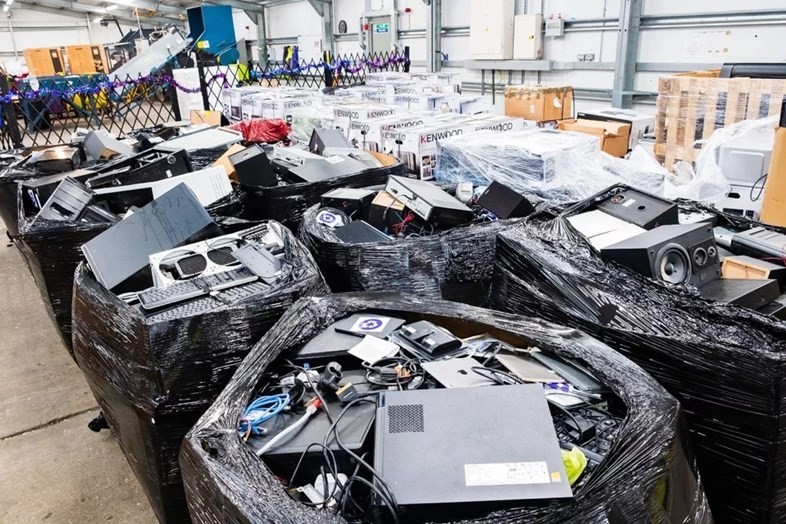
The study highlights the scale of so-called “kitchen graveyards” in UK homes, where redundant or broken appliances are left sitting in cupboards, garages or drawers rather than being recycled or disposed of responsibly.
According to the research, 88 per cent of UK consumers have at least one unused kitchen appliance at home, while more than a third (34 per cent) admit to holding onto between three and five gadgets they rarely or never use. In addition, 83 per cent say they have at least one broken appliance gathering dust.
Despite growing awareness around recycling everyday materials, knowledge drops significantly when it comes to small kitchen electrics. While most consumers correctly identify items such as plastic bottles, tins and cardboard as recyclable, far fewer realise that common appliances can also be processed.
Among the least recognised recyclable items are slow cookers, coffee machines and blenders, with fewer than four in ten people aware these can be recycled. Even air fryers—one of the fastest-growing kitchen categories—are only recognised as recyclable by 37 per cent of consumers.
The findings point to a clear knowledge gap, with over a third of respondents (37 per cent) unaware that kitchen appliances can be recycled at all, and nearly three in ten (29 per cent) unsure where to take them.
In response, Tefal is encouraging consumers to check their homes for unused appliances and consider recycling them through available schemes. The company offers free in-store recycling for electrical items, regardless of where they were purchased, while local authorities also provide facilities through Household Waste Recycling Centres.
Patrick Lucereau, Marketing Director at Tefal UK, said many households are simply unsure where to begin.
“Many of us have a ‘kitchen graveyard’ hiding in cupboards or garages,” he said. “By offering free in-store recycling and working with Ecogenesys, we’re making it easier for people to clear out unused appliances and ensure they’re recycled responsibly.”
The environmental impact of small electrical waste is significant. Recycling appliances helps keep valuable materials in circulation and reduces the risk of harmful substances entering landfill. According to Tefal, its Ecogenesys recycling programme has already prevented emissions equivalent to 173 business-class flights from London to Hong Kong.
Alongside recycling, the brand is also highlighting the importance of product longevity. Tefal continues to invest in durability and repairability, including a 15-year repair commitment across many of its products, as well as design features aimed at extending product life.
With unused appliances continuing to build up in homes, the research suggests there is still work to do in improving consumer awareness, and ensuring that kitchen gadgets don’t end up forgotten in cupboards or unnecessarily sent to landfill.
Stay ahead in the Electrical Retail Industry
Never miss a beat in the world of electrical retail. Subscribe to our weekly newsletter for the latest industry news, insights, and trends – delivered straight to your inbox. Plus, receive ERT Magazine 10 times a year, bringing you the latest analysis, insights, and inspiration from across the industry.
Subscribe now: https://ertonline.co.uk/
