
Whether it’s wireless headphones or high-end hi-fi systems. Retailers need to keep their ear to the ground to find out what’s coming out next in the audio market!
by Rupert Cook
One of the most common traps we see is treating the entire audio market as a single entity. It’s not. In reality, it’s split into two categories.
The first is the hypervolatile world of personal audio. Here, trends in wireless earbuds and portable speakers move like fast fashion; a feature like AI-powered noise cancellation or spatial audio can go from a differentiator to a baseline expectation in a single generation of product releases.
The second is the considered purchase, high high-investment world of hi-fi. This is a marathon, not a sprint. The customer journey is longer, driven by a deep appreciation for craftsmanship, acoustic heritage, and demonstrable performance. Here, trust is the primary currency. A retailer’s authority is built over years, not months, and a single misguided product choice can damage a carefully curated reputation. Trying to apply the same strategy to both is a recipe for failure — you’ll either exhaust your hi-fi customers with fleeting trends or appear ancient to the earbud crowd.
First up is the Headphone (1), Nothing’s first ever pair of over-ear headphones. It’s a significant move for the brand, taking them into the premium audio space to compete with established giants. True to their style, the headphones feature a distinctive transparent design but also add practical, tactile controls (a roller and paddle) instead of relying only on touch. To ensure high-quality sound, Nothing has entered into a major partnership with KEF, the highly respected British brand known for its expertise in high-fidelity audio engineering. KEF co-engineered the acoustics for the Headphone (1), lending their credibility and experience to the project.
Pre-orders began on 4th July 2025, and the headphones will then have their general release and begin shipping from 15 July 2025. In the UK, the Nothing Headphone (1) is priced at £299.
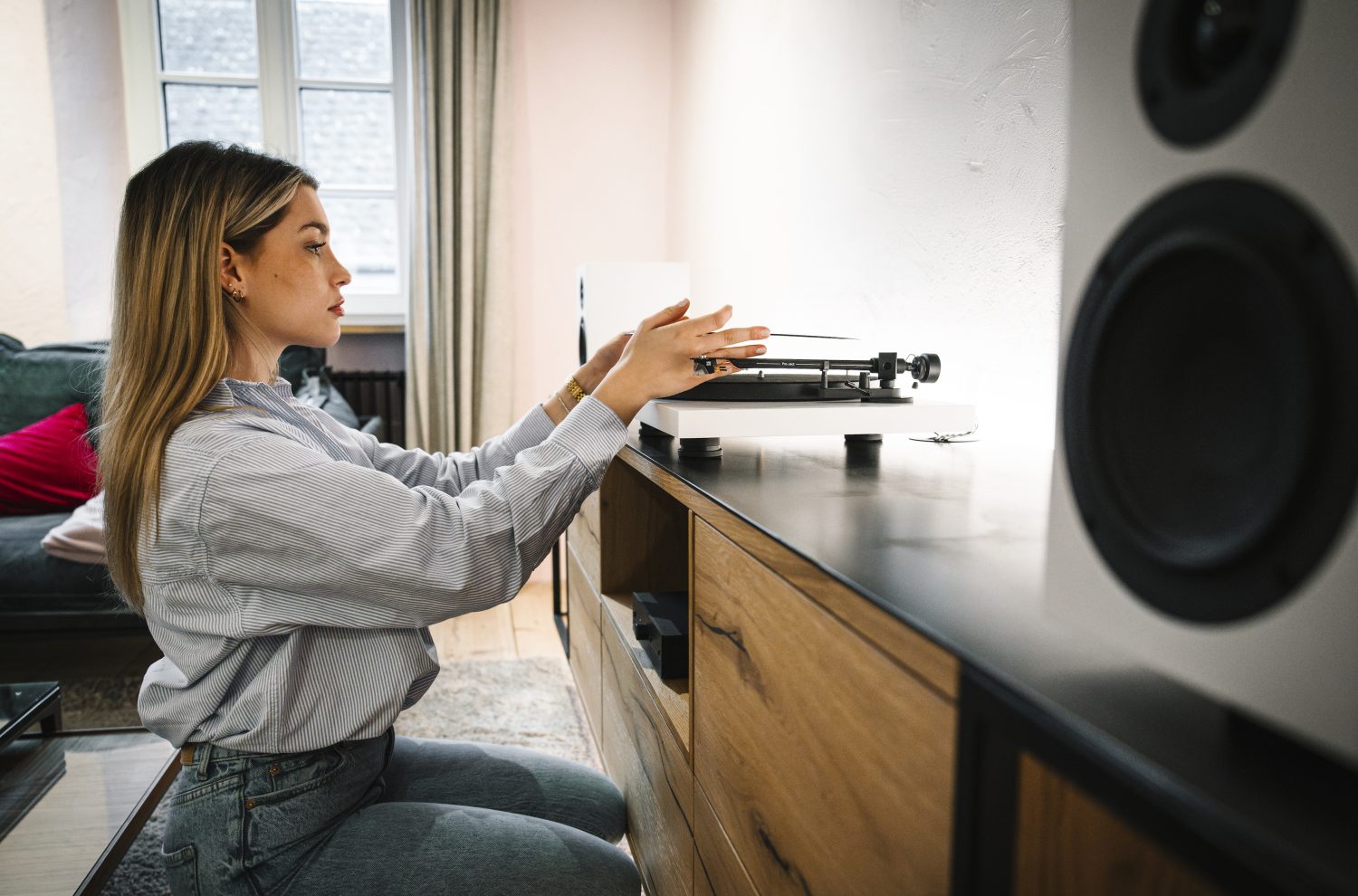
Next up, we cannot dive into the home entertainment sector without talking about the resurgence of vinyl. It is no longer just a trend; it’s a significant, mainstream movement backed by hard numbers. In the UK, vinyl sales have now seen an incredible seventeen consecutive years of growth, with music fans purchasing 6.7 million LPs in 2024 alone (BPI/Official Charts Company).
But here’s the modern dilemma: the very people driving this revival have built their home lives around the convenience of wireless, multi-room speaker systems. So, how do you bridge that gap between the joy of a physical record and the ease of a modern digital setup?
That’s precisely the problem the Victrola Stream Onyx was built to solve.
This product exists because spending on vinyl in the UK has become a powerhouse, growing by 10.5 per cent in 2024 to reach a value of £196 million (ERA/Official Charts Company). The Victrola Stream Onyx taps directly into this by offering a simple, elegant solution. In non-technical terms, it’s a high-quality record player officially certified to work wirelessly with any Sonos speaker in your home.
This means you can take part in a physical music market that has seen its first overall sales growth in two decades (ERA/BPI), experience the satisfying ritual of dropping the needle on a record in one room, and have that same warm vinyl sound stream effortlessly to a Sonos speaker in another. It requires no complex cables or extra boxes to connect your analogue passion to your digital life. You can even control the volume for your entire Sonos system from a simple, elegant knob on the turntable itself.
The Victrola Stream Onyx is for the modern consumer who is part of both trends. It’s for the person contributing to the vinyl revival but who also wants the smart, wireless convenience they are used to — perfectly merging two different ways of loving music.
Meanwhile, the hi-fi audio category continues to hold its ground and even grow, despite the fast shifts in other areas of personal audio. In 2025, the global hi-fi market is projected to grow from £12.4 billion to over £13.1 billion, with long-term forecasts estimating a rise to more than £22.2 billion by 2033 (DataHorizzon Research, 2025; The Business Research Company, 2025). Wired systems, prized for their clarity and fidelity, still account for roughly 68 per cent of global revenue (GlobeNewswire, April 2025), but wireless hi-fi is gaining ground fast, particularly in residential and automotive segments. The UK’s own hi-fi market is expected to hit £1.1 billion by the end of the decade (Future Market Insights, 2025). This growth isn’t just being driven by longtime audiophiles, there’s a new wave of listeners who value audio quality but also want the simplicity of smart home integration, wireless setups, and even AI-enhanced tuning. For retailers and brands, this presents a clear opportunity: hi-fi is no longer just a niche — it’s evolving into a broader lifestyle category that merges tradition with technology.
Beyond the established worlds of headphones, earbuds, and even high-end hi-fi, a new form factor for portable music is quietly emerging: smart audio glasses. While we’ve discussed dedicated audio products, we’re now seeing technology companies embedding personal audio directly into everyday fashion accessories. This isn’t just a gimmick; it represents a fundamental rethinking of how we integrate audio into our daily lives.
The leading example of this trend are Meta’s range AI glasses. While they are known for their hands-free camera, a core feature is their ability to play music and take calls. This is achieved through discreet “open ear” speakers built into the arms of the glasses.
This isn’t about replacing headphones; it’s about creating a new category of use. The customer for audio glasses is someone who prioritises convenience and safety over critical listening. They are buying into a lifestyle where music and information are seamlessly layered onto their daily activities. As the technology improves and more fashion brands like Oakley enter the space, smart glasses are solidifying their position as a legitimate and potentially very significant new form factor in portable audio.
The entire smart glasses category is being redefined by one brand, namely Meta and its collaboration with Luxottica brands such as Ray-Ban and Oakley. Its mainstream success fuelled an explosive rise in global shipments in 2024, pushing the market past 2 million units for the first time. Holding over 60 per cent of its market share in mid-2025, the success of this single product line is now paving the way for further market-wide growth, projected at 60 per cent for 2025 as new brands follow its proven blueprint (Counterpoint Research / AInvest). It would be an unwise decision for retailers not to look into this market.
Whether it’s smart glasses, wireless turntables, or studio grade headphones, the shape of audio is changing, and fast. But the deeper truth remains the same: understanding your customer’s intent is everything. Personal audio, home audio, and hi-fi are no longer just product categories; they’re expressions of identity, taste, and lifestyle. Treat them that way, and the strategy will follow. Ignore the nuance, and you’ll miss the mark entirely.
Stay ahead in the Electrical Retail Industry
Never miss a beat in the world of electrical retail. Subscribe to our weekly newsletter for the latest industry news, insights, and trends – delivered straight to your inbox. Plus, receive ERT Magazine 10 times a year, bringing you the latest analysis, insights, and inspiration from across the industry.
Subscribe now: https://ertonline.co.uk/
