

Retailers are facing growing pressure from online giants and shifting customer expectations. In the centre of Reigate, RDO is responding by focusing on service, expertise and long-term relationships. Will McGill visited the retailer and spoke with Managing Director Chris Sargant about staying competitive in a changing market.
As electrical retail continues to shift online, independent specialists are under increasing pressure to show what sets them apart beyond price. In the centre of Reigate, RDO – an ERT Award-winning retailer – is focusing on service, expertise and its showroom experience as key areas of difference. Rather than trying to compete directly with larger national chains, the business has built its approach around offering a more personal, considered service. From its showroom layout to its staffing and customer support, the emphasis is on helping customers make informed choices rather than simply completing a transaction.
The retailer has also refreshed its logo, subtly increasing the roundness of the “O” in RDO to reflect what it describes as a more complete, full-circle approach to customer care. For Chris Sargant, Managing Director of the family-run retailer, the challenge is not just staying competitive, but staying relevant as expectations continue to evolve. “What’s happening in the industry is that the bar is being raised,” he says. “The baseline is now competence, and that will only continue, because everything is becoming easier. Whether it’s marketing content, customer support, email communication or product information, a lot of that is becoming more accessible through AI and automation.”
“That means you’ve got to find the points that are unique to your own business. What makes you different? What is your character, your method, your support? Those are the things you have to lean into, because that’s not going to be the same as what AI is doing.”
That view captures much of RDO’s current direction. While Mr Sargant is quick to acknowledge the strengths of rivals, he is equally clear that trying to imitate them would be a mistake.
“You’ve got to look at the big guys, because they’re big for a reason,” he says. “They’ve been disruptive, they’ve challenged convention, and they’ve built fantastic businesses. But structurally, we’re not the same. If I try to play their game, I’m going to lose.” Family business, modern focus Mr Sargant has been Managing Director for around two and a half years and represents the next generation of the family business. His route into the industry came after university, when he joined with an initial brief to help grow the company’s trade channel and online business. At the time, he admits, his interest was less in the appliance itself than in the wider mechanics of the business around it.
“I didn’t really think about the appliance, what was in the box,” he says. “I thought about the box. A lot of this industry is more about logistics than people realise. AO, for example, is essentially a dressed-up logistics company with a retail shopfront.”
“When I first joined, we chased volume for a while. Now we look more at what’s actually in the box. What are we selling? Is it right for our customers? Is it right for us? That’s where the
priorities have shifted.”
His day-to-day role is less about direct selling and more about alignment. Working with a relatively small leadership team, he describes his job as ensuring different areas of the business continue moving in the same direction.
“I ask people to run their own areas almost like their own businesses, within the broader culture,” he explains. “Then my job is to keep pulling everyone back towards the North Star, making sure we’re aligned. If you don’t do that, you can easily have three or four people pulling in different directions.”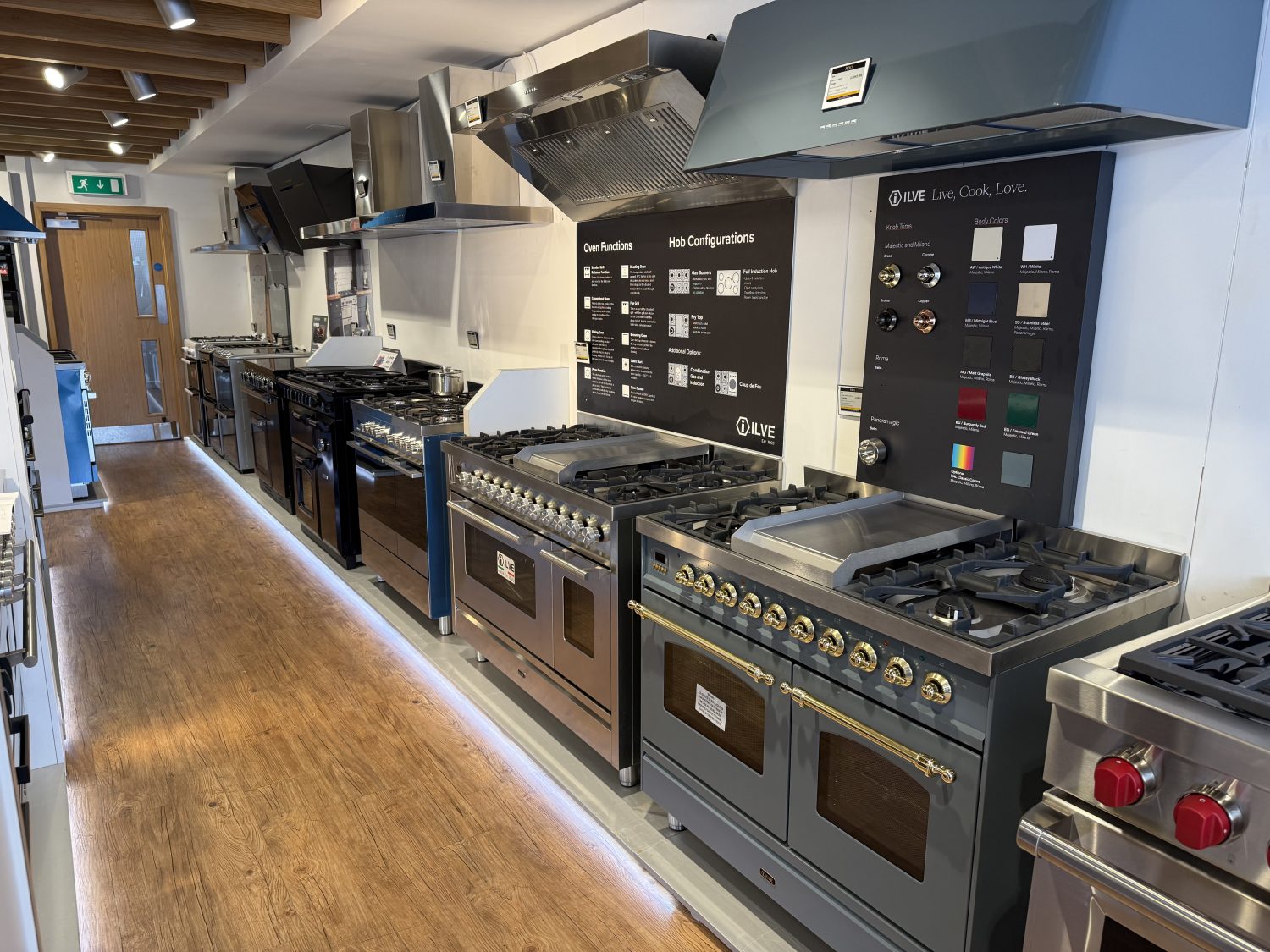
Customer first
If there is one phrase that recurs throughout the conversation, it is customer-centricity. Mr Sargant is open about the fact that this is harder to maintain in practice than it sounds in theory.
“It’s actually a lot more difficult than you think,” he says. “You can come up with an idea and think it’s right for the business, but then you have to stop and ask, ‘What is the benefit to the customer?’ If it doesn’t genuinely help them, the idea generally shouldn’t go ahead.
“The biggest flaws in my business career have been when I’ve done something for our benefit without enough customer benefit. It never really flies.”
That philosophy carries through to the sales process. RDO does not position itself as a business looking to push customers up the value ladder for the sake of margin. Instead, Mr Sargant says the aim is to recommend the most suitable product based on a customer’s actual needs and budget.
He gives the example of a customer who came in looking at a premium fridge. Rather than simply supporting that choice, the team pointed out an alternative from another brand that offered a comparable specification at a lower price.
“The customer really appreciated that,” he says. “People don’t trust salespeople. They don’t want to be sold to. So I think it comes as quite a surprise when they come in here and they’re told what we genuinely think is most suitable for their requirements and their budget.”
That approach, he argues, pays off over time.
“It’s very relationship-based here. Our repeat customer rates are really high. It pays for itself in lifetime value, making sure customers feel they’ve been dealt with properly. There’s no short-term thinking in that.” It is also reflected in the retailer’s decision to maintain visible staffing presence in-store, even if that comes with a cost.
“You walked in and there was someone available to help straight away,” he says. “That does impact profit because not everyone does it, but we’re a customer-centric business. We know if we build that trust and give people the right experience, they’ll come back.”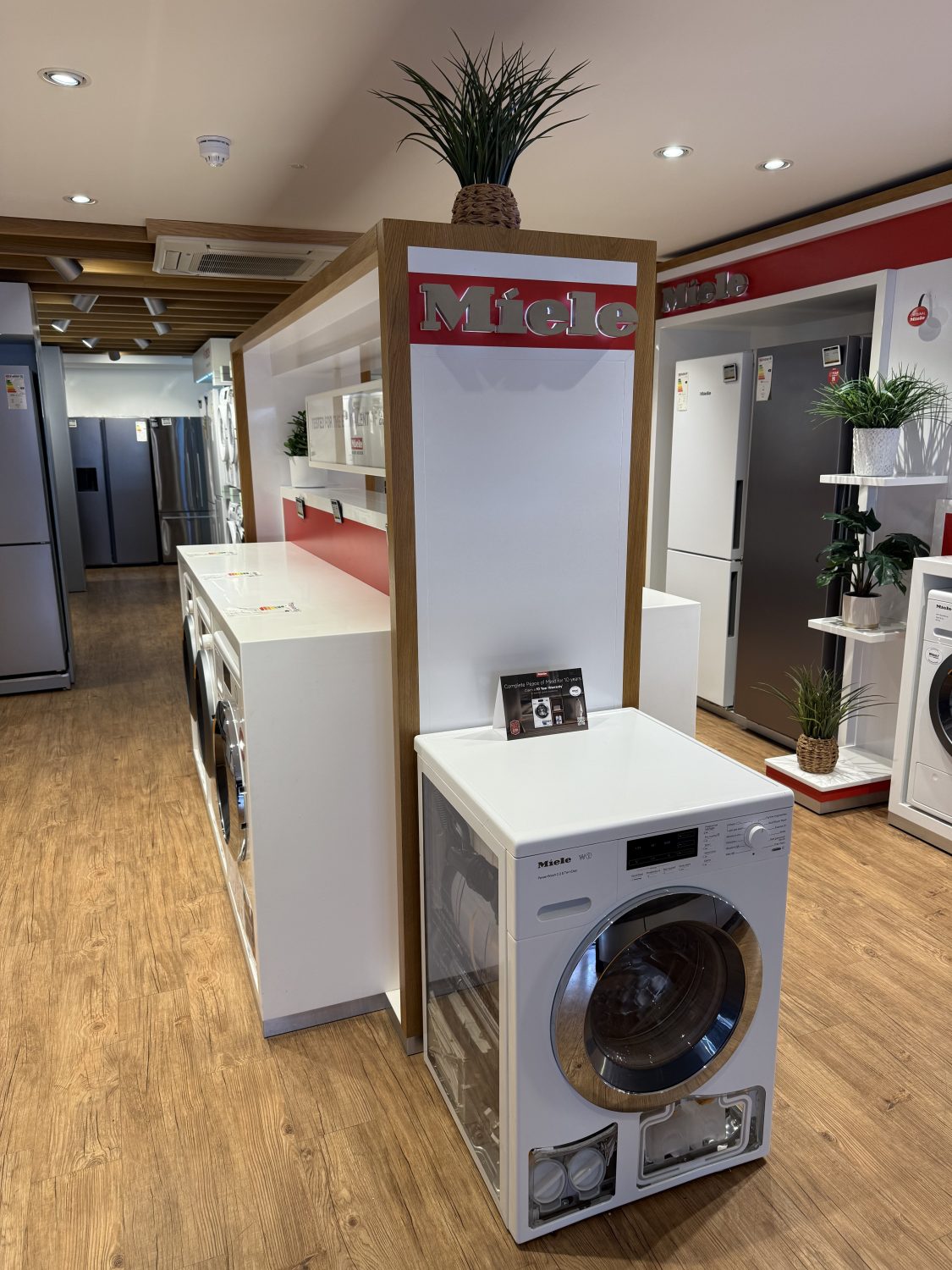
But like many, the retailer is increasingly conscious that the role of physical retail has changed. The store is no longer simply a transactional engine; online has taken much of that function. Instead, the showroom has to offer clarity, confidence and a compelling reason to visit.
For Mr Sargant, that means careful curation rather than overwhelming choice. “If you had 100 washing machines on display, it would just be confusing,” he says. “It would be overwhelming. So we try to be more curated with our displays. We look at what’s genuinely good, what makes sense for the customer, and what helps take confusion out of the process.”
Some of that comes down to “retail theatre”, particularly around premium and destination products that justify a journey to see them in person. “The online world is very good now,” he says. “With some budget brands, a customer probably isn’t going to travel 30 miles to see one in-store. But for higher-value products, kitchens, premium appliances, things people really want to experience, that’s different.”
He also sees potential for the showroom to play a greater experiential role through events and demonstrations. RDO has scaled back some of that activity since Covid, but he is keen to revisit it.
“We probably don’t do as many events as we should,” he admits. “But it’s definitely something we want to do more of again, especially using the working kitchen upstairs. The role of the showroom has changed. If the transaction is increasingly online, the store has to become more of an experience.”
Digital pressures
While RDO’s strengths lie in service and showroom presentation, Mr Sargant is equally aware that digital performance is non-negotiable. The issue, as he sees it, is not whether independents should embrace technology, but how to do so without adding friction or noise.
“We’ll always jump into things that make sense,” he says. “If technology clearly benefits the customer, we’ll go in, and hopefully quite early. But if it doesn’t really do much, if it just adds confusion, then we’re not interested.”
That principle shapes his view of AI and newer retail tools. He sees clear value in artificial intelligence in areas such as content creation, support and insight, and acknowledges that customer-facing tools such as augmented reality may have a place, particularly for premium purchases. But he is wary of adopting technology for its own sake.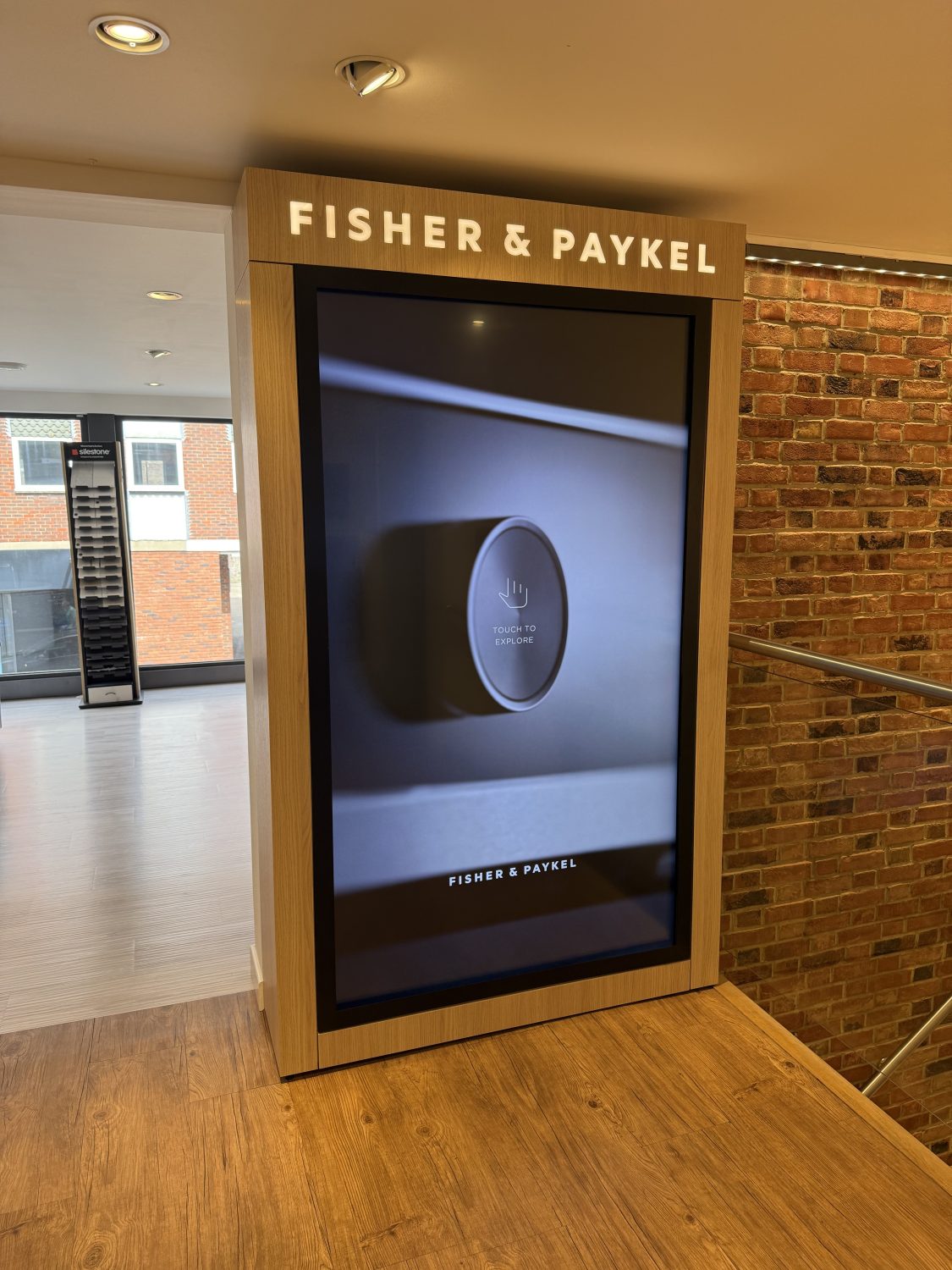
“A lot of people get caught up in new technologies without focusing on the underlying benefit,” he says. “It has to make sense. It can’t just be something shiny that doesn’t really help.”
At the same time, he believes AI could create opportunities for smaller retailers as well as threats. In search, for example, he suggests the quality and usefulness of content may matter more than sheer scale.
“The AI overview looks for valuable content and answers to questions,” he says. “If anything, that can be an advantage. But the challenge is what happens next, where the customer clicks and how they move through the journey.”
That concern is particularly relevant for independents, who may benefit from visibility through buying group or supplier networks but still face friction in turning that awareness into a direct sale.
“It does help to be part of a strong collective brand,” he says. “That gives customers some trust straight away. But the journey still matters. If there are too many steps, or if the process is
easier elsewhere, then that’s still a challenge.”
Smarter customers, sharper service One notable shift Mr Sargant has seen in recent years is the increasing knowledge customers bring with them before they even step into the showroom.
“Customers are just a lot wiser now,” he says. “With LLMs and the amount of information available, the self-specifying is much better. You don’t often have people coming in having absolutely no idea what they’re talking about, because they’ve already done research on the way here or at home.”
Far from seeing that as a problem, he views it as an opportunity to have better conversations.
“You can speak to them at a higher level,” he says. “It’s great when someone comes in informed. It means the discussion can be more useful.”
The flip side, he notes, is that consumers are also more aware of their rights and quicker to challenge when something is not right. That, in turn, places even greater emphasis on communication, service and follow-through. RDO’s response is to focus relentlessly on standards, both online and in-store. Recruitment is part of that. While Mr Sargant says there is good talent available, he is firm that the business would rather wait than compromise on fit.
“We recently hired in the appliance sales team and had several candidates who probably could have done the job,” he says. “But if it’s not 100 per cent, it’s no. We’d rather wait and get the right person.”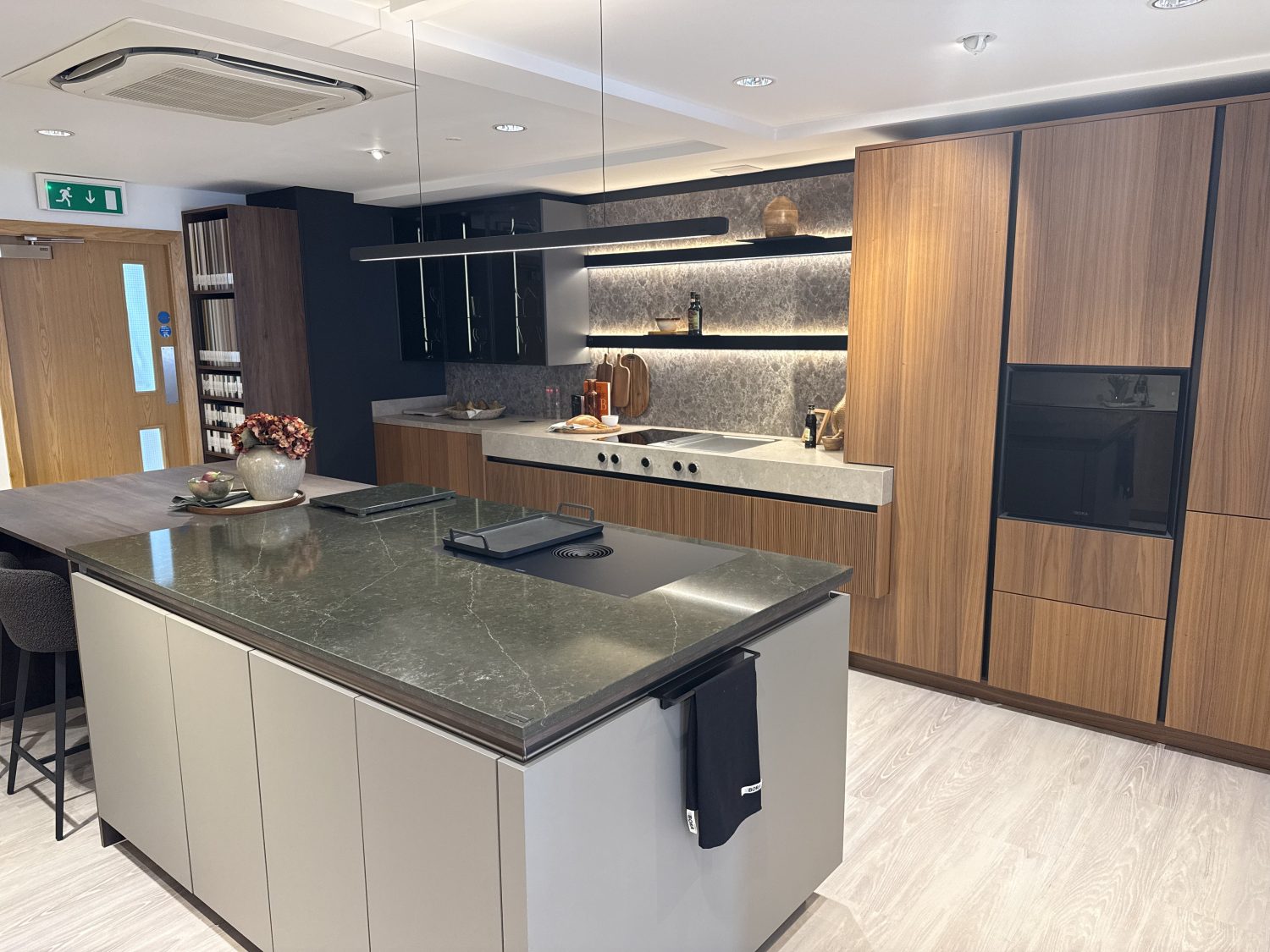
Reviews, reputation and relationships
For a retailer whose name may still be unfamiliar to some outside its catchment, reputation is critical. At RDO, reviews are treated as a core business asset.
“Reviews are the lifeblood of the company,” Mr Sargant says. “If a customer hasn’t heard of RDO, seeing our reviews helps them think, ‘Okay, this is a good company.’ I don’t see how you can run a business with poor reviews.”
That focus is visible from the street. The business’s large digital screen out front, facing the busy one-way system through Reigate, often carries customer feedback and brand messaging. With around 10,000 cars passing each day, Mr Sargant sees it as an important awareness tool, even if he believes it could be used better.
“I’m not fully happy with the content on it at the moment,” he says candidly. “It needs to be more about who we are as a company, more focused on our unique selling points. But it absolutely has value.”
The same is true of external recognition. RDO’s success at the ERT Awards has been embraced both as a team motivator and as an additional reassurance point for customers.
“For the team, it’s a real boost,” he says. “Sometimes as an independent you can feel a bit like an island, so getting that nod from the industry is a really nice thing. It tells people they’re doing something right.
“And for customers, it’s another marginal gain. They see the awards around the showroom and it gives them confidence they’re dealing with people who know their stuff.”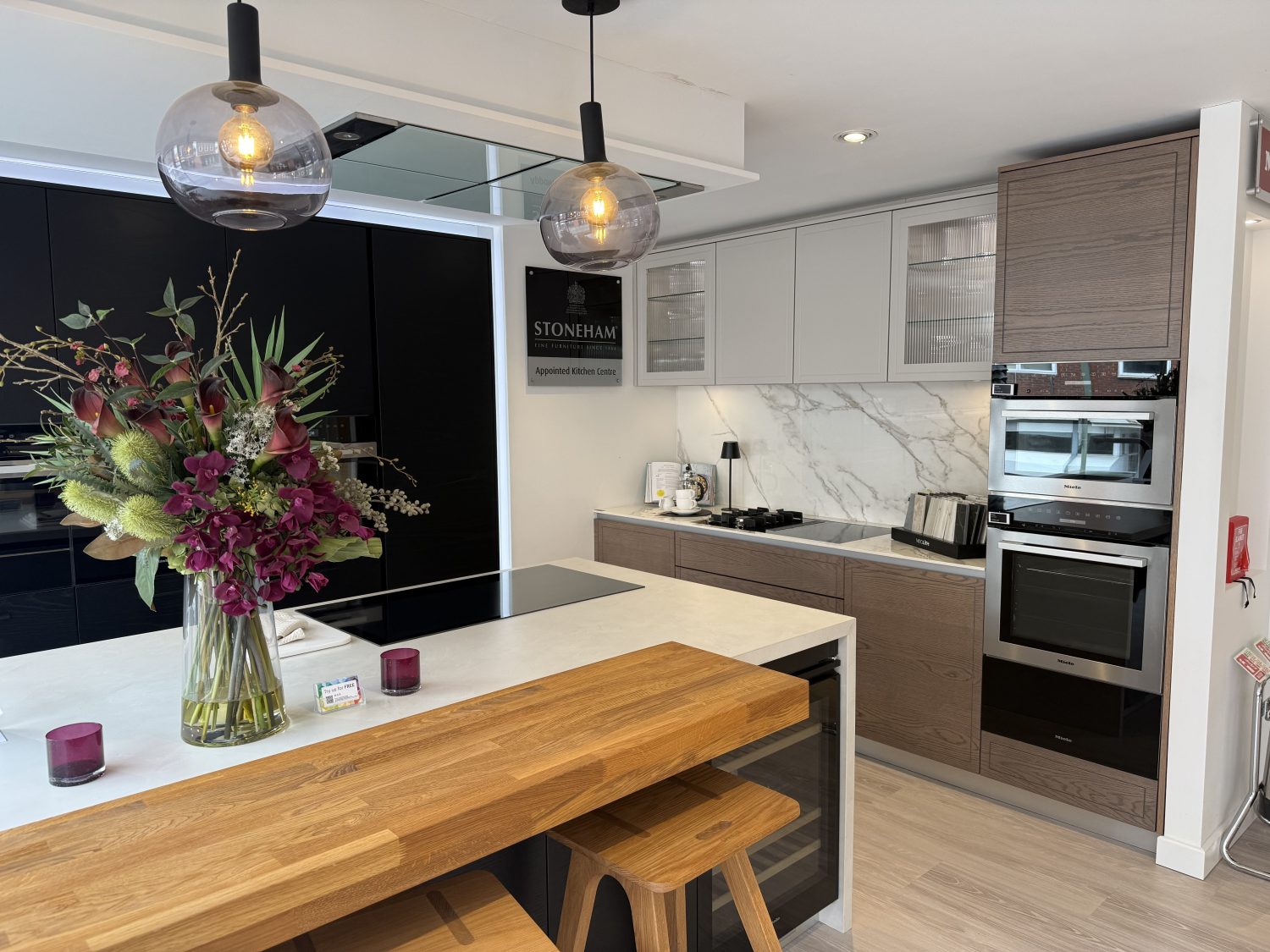
Community and continuity
Although digital channels are increasingly important, RDO continues to invest in local presence and community connection. The business takes part in Reigate’s Christmas fair, raises money for charity and supports local causes, which Mr Sargant describes as being “the right thing to do”.
“Community engagement has always been important to RDO,” he says. “Whether it brings in customers or not, that’s not really the point. We’re a long-established business in the community, so we should be there.”
He points to examples such as fundraising at local events and the company’s support for community projects, while noting that the business does not always publicise these efforts.
“Our core value is doing the right thing,” he says. “If we can help people, particularly in the local community, we will.”
That sense of continuity extends internally too. Mr Sargant speaks warmly about the importance of keeping teams connected, from showroom staff to warehouse and delivery colleagues. Weekly updates, informal conversations and social gatherings all play a role in maintaining cohesion.
“Relationships are everything,” he says. “Particularly with drivers and warehouse teams, you’ve got to make sure they still feel connected to the rest of the business.”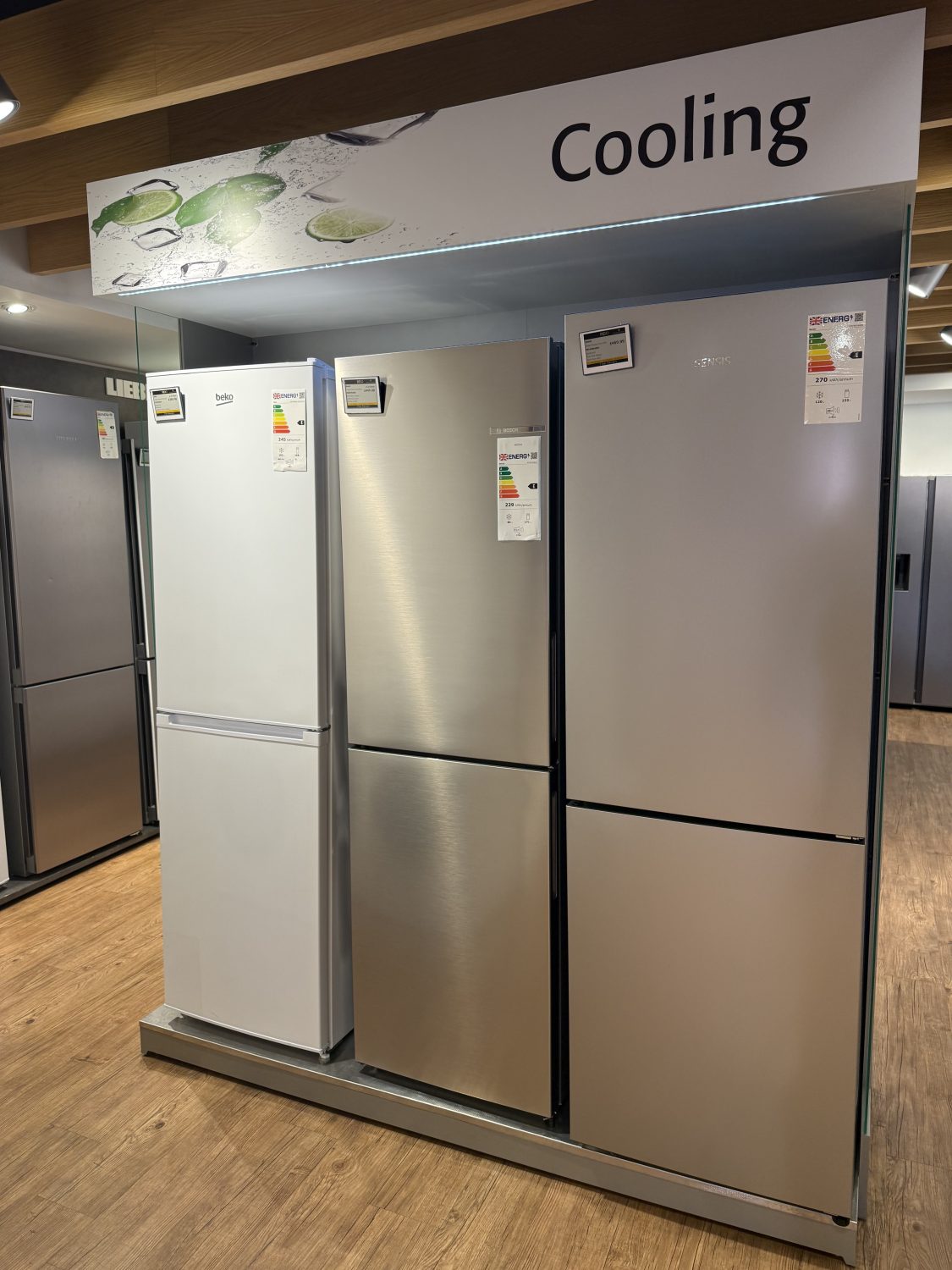
Clear-headed in a tough market
Like many independents, RDO is not insulated from wider economic pressures. Rising operating costs, squeezed margins and the changing behaviour of both suppliers and consumers all weigh on the sector. Mr Sargant mentions fuel prices in particular as one current concern, especially in an industry where delivery remains so important.
“There’s no secret margin in this industry,” he says. “There’s no secret margin in this industry, so when you pile on more costs, it is scary.”
Yet his tone is notably calm rather than alarmist. He draws a comparison with football: when you make one mistake, the temptation is to panic and make another. In business, he suggests, the same principle applies.
“You can’t do much about some of these things,” he says. “You’ve just got to react to them clearly. Head down, keep going. Don’t scramble. Reset and go again.”
That mindset also shapes his view of long running issues in the trade, whether it is supplier behaviour, direct-to-consumer activity or exclusive models created for larger retail partners.
These are realities of the market, he says, but not ones that should consume too much time or attention.
“The main thing for RDO, and I think independents generally, is to keep putting your best foot forward,” he says. “If you keep looking at AO, you’re not going to win that game. Some structural things don’t change. You can either keep complaining about them or get on with your work. We do the latter.”
“It’s an interesting old industry. There are a lot of challenges, but there are a lot of opportunities too. If you don’t get too caught up in the challenges and try to reframe them as opportunities, I think you’ll be alright.”
Stay ahead in the Electrical Retail Industry
Never miss a beat in the world of electrical retail. Subscribe to our weekly newsletter for the latest industry news, insights, and trends – delivered straight to your inbox. Plus, receive ERT Magazine 10 times a year, bringing you the latest analysis, insights, and inspiration from across the industry.
Subscribe now: https://ertonline.co.uk/
