
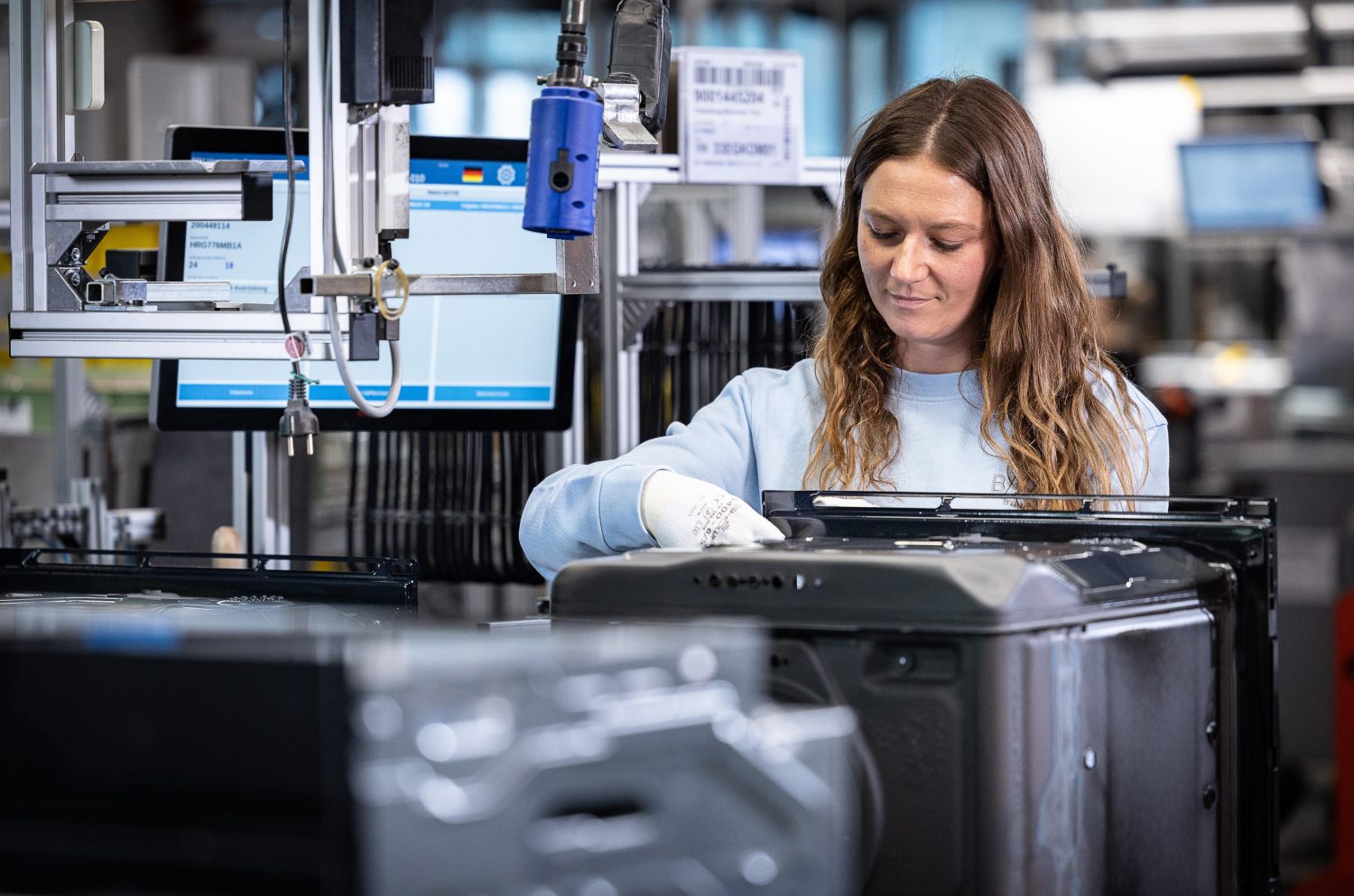
BSH Hausgeräte GmbH has reported turnover of €14.8 billion for its 2023 fiscal year. Adjusted for exchange rate effects, turnover was on a level with the previous year. The company also said it increased sales and gained market share in some countries, while also seeing growth the laundry care sector.
Looking back on a challenging year, specifically the “stagnation” in the global home appliance market, BSH bosses said there were several key factors that put a “significant damper” on the consumer climate in 2023. High inflation, hikes in interest rates and the resulting worldwide collapse in real estate markets were blamed, leading to reduced demand for home appliances – especially in the built-in segment.
“The persistent global economic and geopolitical crises have fundamentally changed the conditions for the entire home appliance industry,” commented BSH CEO, Dr. Matthias Metz. “We are following a clear roadmap for the future that allows us to master not only the current challenges, but also to further expand our strengths.”
 However, Mr Metz (left) also added that in order to finance its necessary future investments, the company will keep “a close eye” on the cost situation and will “gear the associated personnel planning to the future”.
Reflecting on 2023, BSH saw turnover drop by 7.2 per cent in its small home appliances category, but this was caused by, among other factors, flooding-related interruptions at its production site in Nazarje, Slovenia.
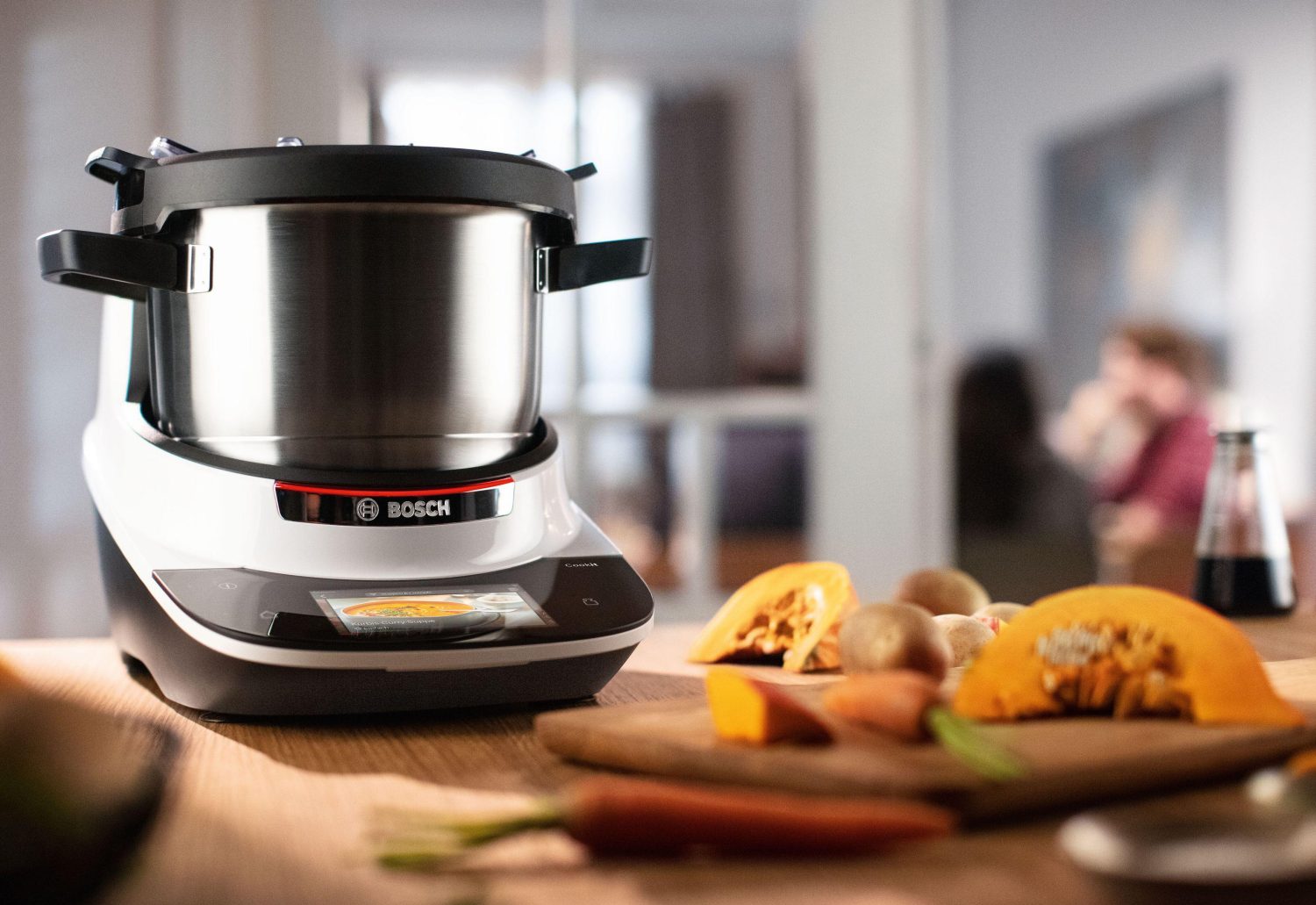
In terms of product launches, the company introduced a raft of new products worldwide in 2023, with the Bosch Cookit (below right), the new premium built-in oven range from Siemens, and the Essential Induction cooktop from Gaggenau all getting nods in the brand’s annual report.
BSH said it continues to invest in sustainability; in the past year alone it has invested over €10 million in more than 270 energy efficiency measures, saving around 35 gigawatt hours of energy in production.
 The company has also increased its use of environmentally-friendly materials; since September dishwashers from the Dillingen factory in Germany have been manufactured using partially stainless steel with a carbon footprint that is 47 per cent lower than that of conventional stainless steel.
In addition, to boost repairs as a more sustainable alternative to replacements, BSH extended the availability of spare parts last year to up to 15 years for large appliances and to up to 10 years for small appliances. For most consumers, spare parts will in fact be available for significantly longer from the date of purchase – exceeding the legal requirements in the EU as well as the practice of most competitors, the company said.
Looking ahead, Mr Metz added: “Our aim is clear. With outstanding brands and powerful, innovative and durable products, we want to inspire our consumers while at the same time leading to the success of our customers and retail partners.”
He also said BSH will further expand its presence in local markets. To achieve this, it has invested in a new service and logistics centre in Turkey and a new oven factory in Egypt.
Mr Metz said he is optimistic about the future. “Our company is in a robust position in the current economic environment. We again want to take an active part in shaping the market in 2024, inspire consumers, and lead our customers to success in order to achieve profitable growth in all regions.”
