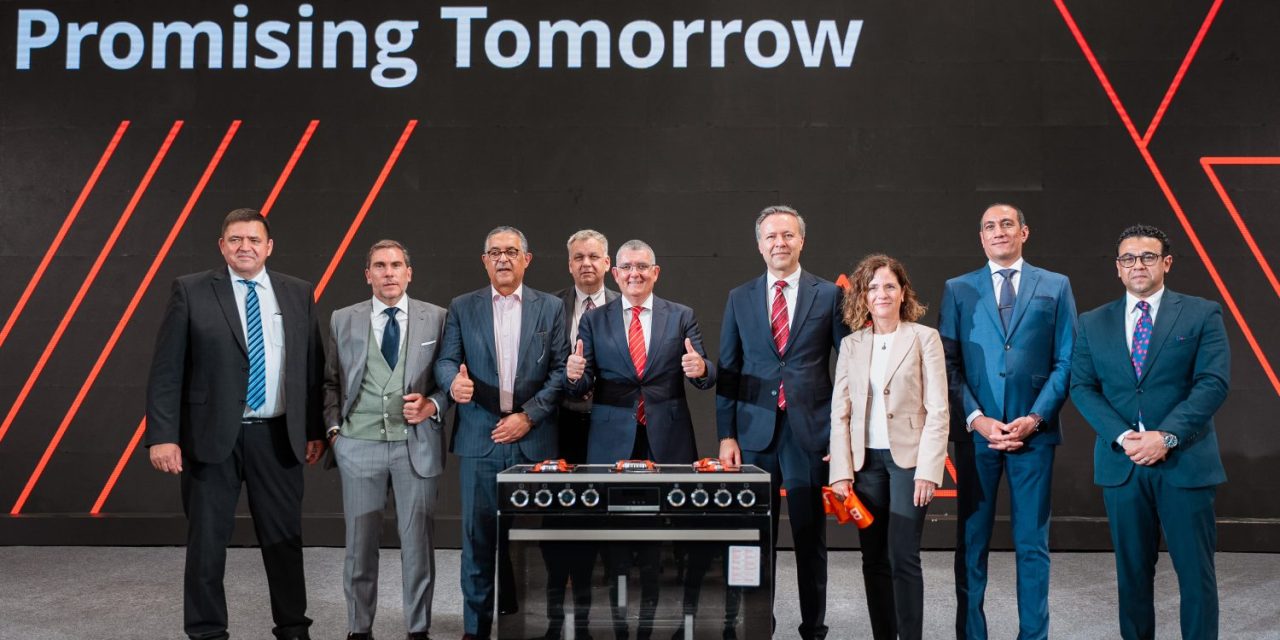
BSH Hausgeräte GmbH (BSH) has underlined its commitment to innovation, AI and long-term investment as it navigates what it describes as a “structural turning point” for the global home appliance industry.
Speaking at the group’s 2026 press briefing in Munich, CEO Dr Matthias Metz reflected on a challenging 2025 shaped by geopolitical instability, weak property markets and increasingly cautious consumers. Against that backdrop, he argued, the era of automatic growth in the sector has come to an end.
“What we are experiencing is not a short-term cycle,” he said. “It is a fundamental shift. But our strategy is proving resilient, we are not losing substance, we are building strength.”
BSH’s new Bosch Cook AI.
That resilience is reflected in BSH’s financial performance. The company reported turnover of €15bn, a slight decline in reported terms but a 2.8 per cent increase when adjusted for currency effects. CFO Dr Thorsten Lucke said this demonstrates the underlying strength of the business despite subdued demand and intensifying competition, particularly from Asian manufacturers.
Performance across regions told a mixed but broadly positive story. North America stood out as a key growth driver, with strong demand for built-in refrigeration and premium products helping BSH grow ahead of the market. Europe, while more subdued, still delivered growth despite weak consumer sentiment in core markets such as Germany and France. Emerging markets continued to gain momentum, supported by BSH’s “local-for-local” approach and ongoing investment in regional production. By contrast, China remained challenging, with declining sales reflecting wider market weakness.
At a product level, the company pointed to a return to growth in cooking appliances as a notable success, alongside stable or improving performance in dishwashers, small domestic appliances and its customer service business. Refrigeration and laundry care remained under pressure, highlighting the uneven nature of demand across categories.
Central to BSH’s strategy is a continued focus on innovation, with the company maintaining R&D spending at €847m – equivalent to 5.6 per cent of turnover and above the industry average. This investment is increasingly focused on AI-enabled solutions designed to deliver tangible everyday benefits rather than technology for its own sake.
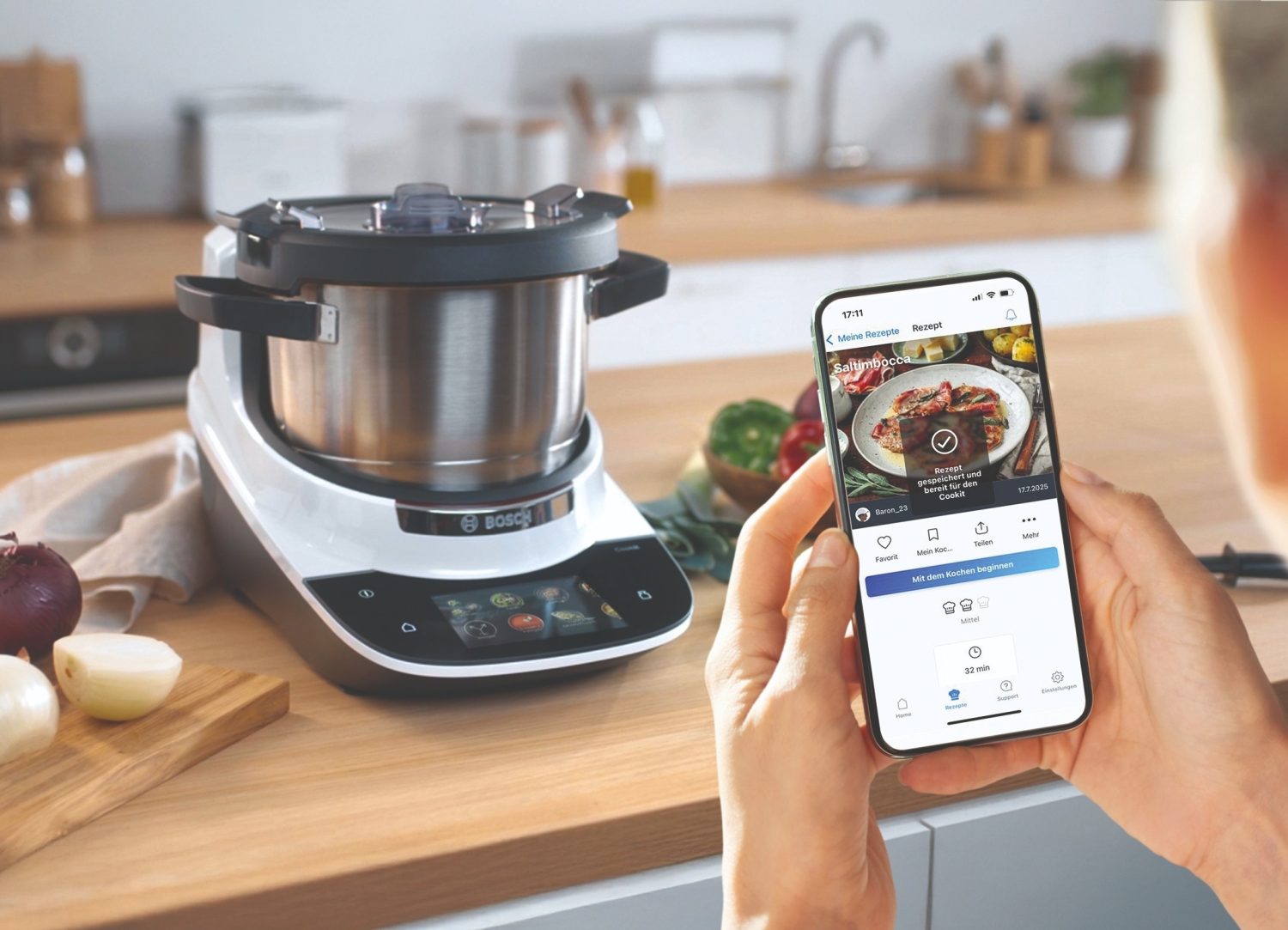
Bosch Cookit recipe converter.
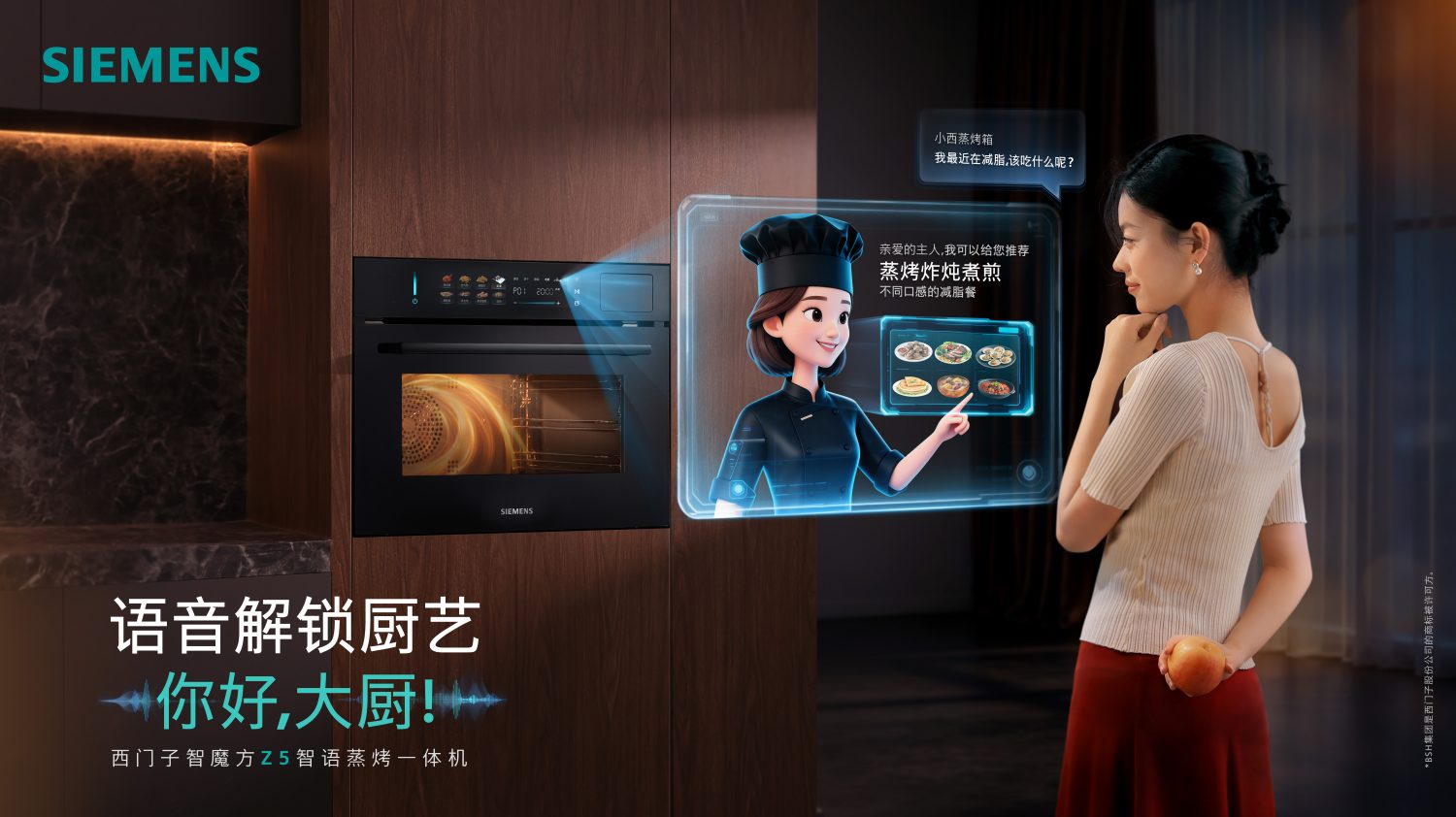
Among the innovations highlighted were an AI-powered recipe converter, Bosch Cook AI, that can transform online recipes into step-by-step guided cooking programmes, and a new generation of connected appliances capable of voice interaction and automated coordination. The company also showcased advances in energy efficiency, including heat pump dryers that significantly reduce energy consumption, as well as new approaches to food preservation and defrosting using sensor-driven technologies.
Dr Metz stressed that AI is becoming a core enabler across both products and operations, from intelligent cooking assistance to predictive service and quality control in manufacturing. However, he was clear that usability remains paramount. “Home appliances should think ahead, but not patronise,” he said. “Technology must support people, not overwhelm them.”
Alongside product innovation, BSH continues to expand its global footprint. The company marked several milestones in 2025, including long-standing anniversaries in key European markets and the opening of new facilities spanning manufacturing, R&D and sales. Investments have also been directed towards strengthening logistics, digital infrastructure and direct-to-consumer engagement through new showrooms.
What about the UK?
Responding to a question from ERT on rising competition from lower-priced brands entering the UK, Rudolf Klotscher, Chief Sales & Service Officer, said the company will continue to rely on its core strengths to protect market share and support retailers.
He emphasised that BSH’s long-standing focus on quality and performance remains central to its strategy.
“As in the past, today and in the future, we stand for high quality and high performance, which we offer to our customers, including in the UK,” he said.
Mr Klotscher pointed to the Group’s portfolio of brands and breadth of range as key advantages in an increasingly competitive landscape, alongside what he described as “unique” customer service. He noted that BSH’s service proposition has received award recognition in the UK, reinforcing its role as a differentiator for both consumers and retail partners.
In addition, he highlighted the development of new business models aimed at supporting growth and accessibility. This includes “all-in-one” and leasing-style propositions, which BSH is planning to roll out more broadly, including in the UK market.
“This whole promise to our customers is the foundation for our success,” he said, adding that he remains confident in the company’s ability to maintain its position in the UK despite growing competitive pressure.
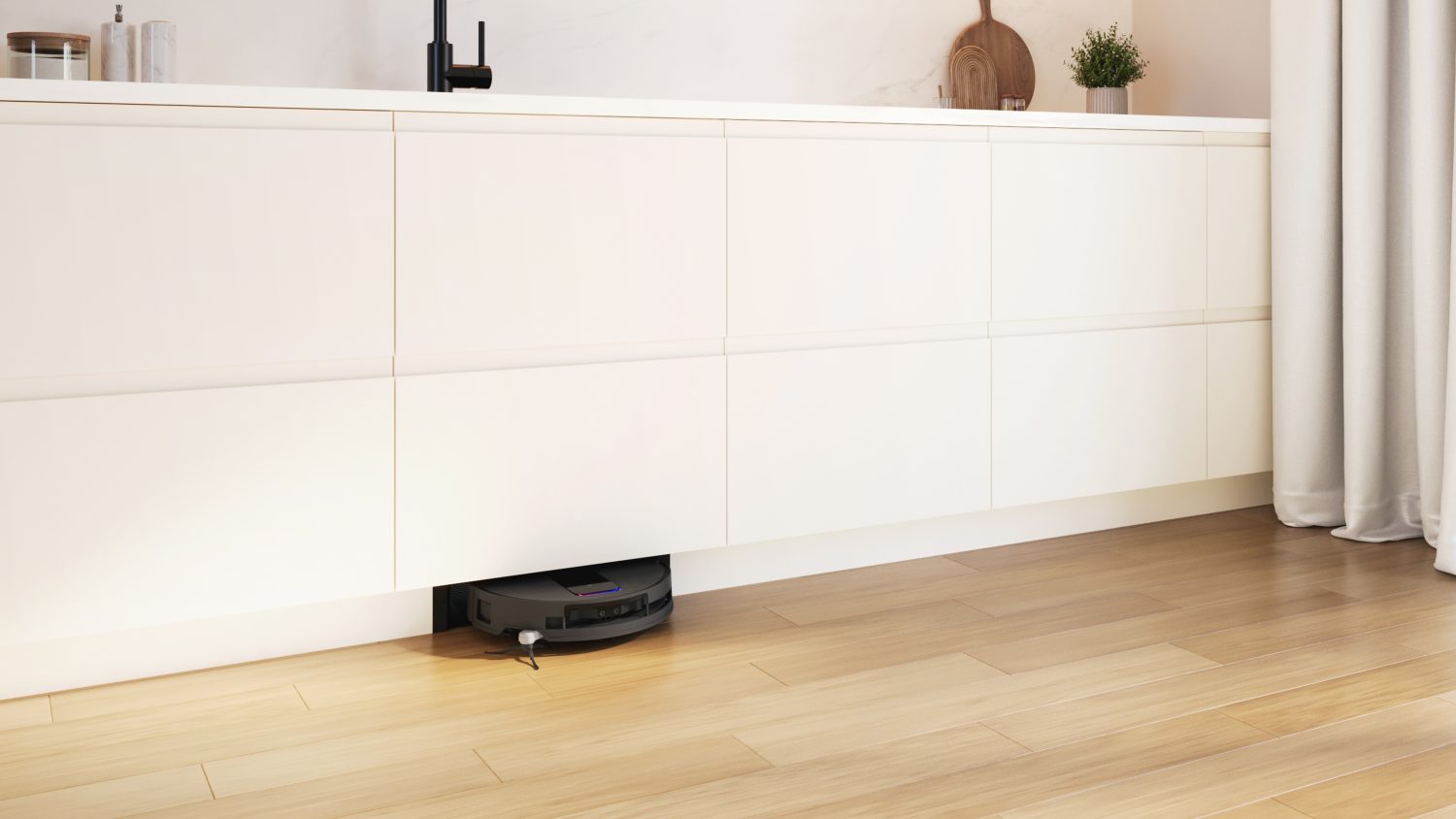
Bosch unveils a built-in vacuum and mopping robot—hailed by the company as the world’s first of its kind.
Job cuts in Germany contrast with growth focus on India and emerging markets
Alongside its investment in innovation and global expansion, BSH used the press briefing to address difficult structural decisions in its home market of Germany.
Executives confirmed that site closures and restructuring measures, affecting around 1,400 roles, are being driven by a combination of declining demand, changing product trends and increasing price sensitivity among consumers. In particular, shifts in kitchen design, such as the move away from traditional extractor hoods towards integrated solutions, have reduced demand in certain categories and contributed to underutilisation at specific sites.
BSH also pointed to broader pressures on European manufacturing, including rising costs, regulatory burdens and intensifying competition from lower-cost production regions. The company warned that competitiveness in Germany and across Europe is “under significant pressure”, with factors such as supply chain regulation, bureaucracy and cost inflation all impacting manufacturers.
Despite the cuts, BSH stressed that Germany will remain a core manufacturing and innovation base, with continued investment in key sites, R&D and technology development.
In contrast to the challenges in Europe, the company highlighted strong long-term growth potential in emerging markets, particularly India, which has been elevated to a standalone region from January 2026.
Executives described India as a “high-growth” opportunity, with low household penetration across most appliance categories creating significant headroom for expansion. While ownership of refrigeration and laundry appliances is growing, many other categories, including dishwashers and built-in products, remain largely untapped.
BSH is continuing to invest in local production, R&D and tailored product development in India, following its “local-for-local” strategy. This includes designing products specifically for Indian consumers, as well as expanding its presence in smaller domestic appliances.
The company said this regional focus is key to balancing slower growth in mature markets such as Europe, with emerging economies expected to play an increasingly important role in driving future demand.
Looking ahead to 2026, BSH expects conditions to remain challenging, with continued pressure on demand and margins. Nevertheless, the company believes it is well positioned to deliver profitable growth, supported by its brand portfolio, global presence and sustained investment in innovation.
“Our ambition is not simply to accompany market developments,” Dr Metz said. “We want to actively shape them.”
Stay ahead in the Electrical Retail Industry
Never miss a beat in the world of electrical retail. Subscribe to our weekly newsletter for the latest industry news, insights, and trends – delivered straight to your inbox. Plus, receive ERT Magazine 10 times a year, bringing you the latest analysis, insights, and inspiration from across the industry.
Subscribe now: https://ertonline.co.uk/