
DIY projects are a good activity to do with children, now that school is out for summer, maybe now is the time to teach your children how to safely use essential DIY tools.
With home renovations and at home upcycling hacks on the up, it is important to understand how a weekend of DIY is impacting the air around you. Lars Dunberger, Technology Manager for Blueair, explains how air purifiers can help to improve your DIY working conditions and maintain cleaner air within the home.
Q: What are the potential problems associated with DIY projects and ventilation?
A: DIY projects often involve a lot of dust, this in the form of small air born particles, breathing in that fine dust or PM2.5 (also known as fine particulate matter) can penetrate deep into the lungs. Most of the dust particles we exhale again but some get stuck in the lungs and cause respiratory difficulties, heart and lung problems and a host of other diseases. The more time you spend in the room the more particles you breath in.
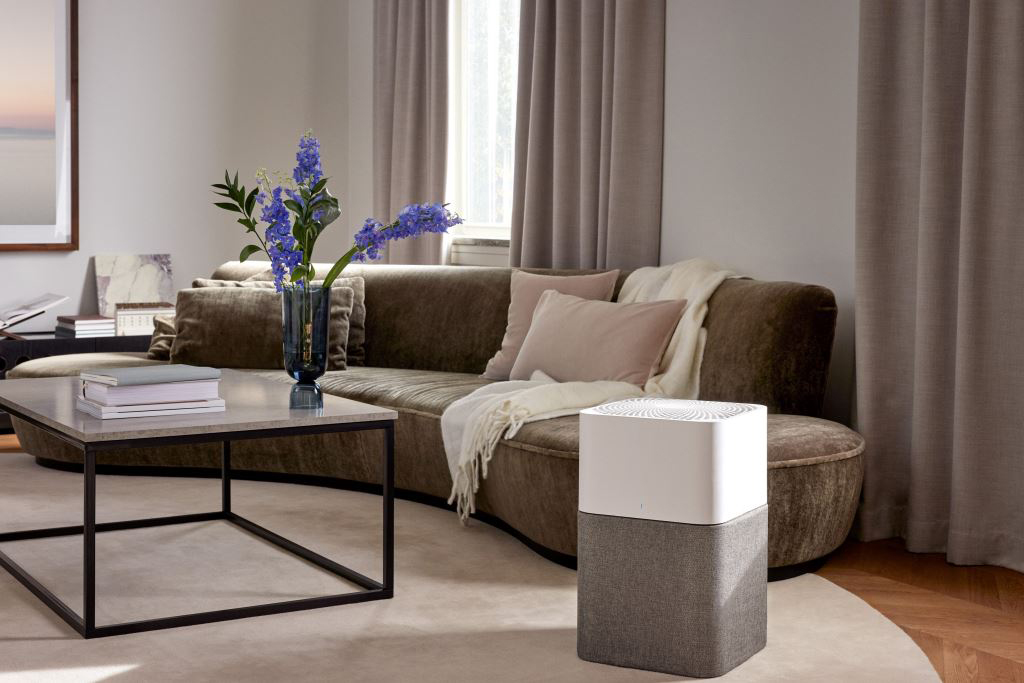
We recommend using an air purifier in the rooms where you are carrying out the DIY as well as where you spend most of your time once the work is completed to ensure the filtration continues, even after the work stops. Always select a brand with a high Clean Air Delivery Rate and high filtration performance. The Blueair air purifiers remove at least 99.97 per cent of airborne pollutants as small as 0.1 microns in size from the air you breathe.
Q: In what ways can cleaner air be advantageous?
A: In addition to being better for your health, bettering the air quality where you are working can help to improve and enhance your productivity –ultimately making it easier to focus on the project at hand! Not only this but polluted indoor air can also affect your sleep. Repeated exposure to poor indoor air quality – especially during a dusty renovation project – can bring on headaches, fatigue, dermatitis, and more – many of the same symptoms often used to diagnose Sick Building Syndrome.
Q: Is opening a window sufficient to ensure proper ventilation when redecorating?
A: Opening a window may not be enough to effectively combat the harmful effects of chemicals like paint, solvents, and adhesives that are commonly used in decorating. These chemicals can release harmful fumes and Volatile Organic Compounds into the air, which can cause respiratory problems, headaches, dizziness, and other health issues.
Even when paint brands are listed as ‘low VOC,’ there is still a chance of the chemicals being released when painting and whilst it dries. Look for brands that are third party tested for low VOC emissions. These particles and chemicals released when decorating and renovating can be harmful to your health, and we would always recommend an air purifier to keep the chemicals out of your airways.
Q: What additional measures can I take to safeguard myself and the air quality in my home during a renovation project?
A: DIY projects often involve cutting, sanding, or drilling, which can cause a great amount of dust and debris. We recommend:
– Frequently vacuuming
– Regularly washing bedding and other textiles to help reduce allergens and irritations.
– Closing doors to other rooms and keep those rooms well-ventilated.
– If you can, take the DIY project to the garden to help reduce the amount of fine dust in the house.
– Wear the correct protection too such as a dusk mask.
