

In an industry where innovation drives consumer behaviour, electrical retail stores must constantly adapt to remain relevant. Shifts in technology, customer preferences, and even global disruptions have redefined how these businesses operate. Ensuring that a store is future-proof is not merely a trend but an essential strategy for long-term success.
This article will explore how electrical retailers can secure their place in the market, focusing on digital integration, customer service improvements, and adapting to new technologies.
Embracing Digital Transformation
The digital transformation of retail has become an essential part of staying competitive. Electrical retailers need to embrace technology not only for operational efficiency but also to meet the rising expectations of tech-savvy customers. From enhanced e-commerce platforms to real-time inventory management systems, the integration of digital tools is key.
Online shopping is no longer optional for electrical retailers. According to Statista, e-commerce sales in the United States accounted for over 15 per cent of total retail sales in 2023. As more customers turn to online platforms for their purchases, brick-and-mortar stores must also optimise their digital presence. Offering seamless online shopping experiences, click-and-collect services, and personalised promotions based on customer data are all methods that can strengthen customer loyalty.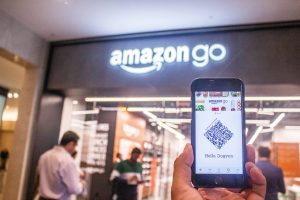
At the same time, back-end systems need updating to keep pace with these digital advancements. Tools such as the pdf to word tool from Smallpdf can simplify document management by converting files to editable formats, improving efficiency in handling contracts, invoices, and customer service records. This streamlines internal processes and allows staff to focus more on customer service and less on paperwork.
Redefining Customer Service
Customer expectations are constantly changing, and electrical retail stores must adapt their service offerings accordingly. In the past, having knowledgeable staff and a wide range of products was enough. However, today’s customers demand more personalised and engaging experiences.
Investing in staff training and utilising customer data to predict preferences are key strategies. Retailers can also use data analytics to identify popular products and anticipate stock needs, preventing shortages that frustrate customers. These steps ensure that electrical retail stores maintain their relevance and competitive edge.
Enhancing In-Store Technology
 Although online shopping continues to grow, the in-store experience remains vital for many customers, especially when it comes to purchasing electrical goods. The tactile experience of physically interacting with products, coupled with expert advice from sales staff, remains unmatched by online channels. For this reason, in-store technology must evolve to enhance the customer journey rather than replace it.
Interactive displays, virtual product demonstrations, and augmented reality (AR) applications are becoming common tools that help customers make informed decisions. AR allows customers to visualise how a product might fit into their home, while interactive displays provide hands-on learning for complex products, such as smart home devices or home theatre systems.
Moreover, the integration of mobile payment options, self-checkout stations, and apps that provide real-time product information ensure that shopping is as convenient as possible. According to the National Retail Federation, 66 per cent of consumers expect retailers to offer some form of mobile payment. Keeping pace with these expectations will help electrical retailers remain competitive, particularly with younger, tech-driven demographics.
Sustainable Practices for Long-Term Success
Sustainability has moved from a niche concern to a major factor in consumer decisions. As environmental awareness grows, electrical retailers are under increasing pressure to adopt eco-friendly practices. Customers are looking for stores that not only sell energy-efficient products but also implement sustainable operations.
Reducing carbon footprints, minimising packaging waste, and offering recycling services for old electronics are all steps that retailers can take to meet consumer expectations. Many companies are finding that sustainability efforts do not just attract environmentally conscious shoppers but also result in long-term cost savings. For example, energy-efficient lighting and HVAC systems in stores reduce utility costs while enhancing the brand’s eco-friendly image.
Additionally, the promotion of energy-efficient appliances and devices can be a significant driver of sales, aligning customer needs with sustainability goals. Products with ENERGY STAR ratings or similar certifications are becoming increasingly popular, and stores that highlight these options may gain an edge in the marketplace.
Omnichannel Retailing: Blending Online and Offline Experiences
To succeed in today’s retail environment, electrical stores must embrace omnichannel strategies, which seamlessly integrate online and in-store experiences. Consumers expect the ability to switch between online and physical shopping environments with ease. Whether they are browsing for products online and completing the purchase in-store, or using apps to check product availability before visiting, customers now expect a unified, frictionless shopping experience.
According to research from Harvard Business Review, 73 per cent of consumers use multiple channels during their shopping journey. This underlines the importance of an omnichannel approach for electrical retailers. A robust omnichannel strategy includes having a fully functional website, mobile apps, and online customer service that are all interconnected with the in-store experience.
For example, many retailers have implemented “buy online, pick up in-store” (BOPIS) services, allowing customers to reserve items from the comfort of their homes and collect them at a nearby store. This method saves customers time while also increasing foot traffic to physical stores. Retailers can capitalise on this by offering in-store promotions or upselling complementary items when customers come to pick up their orders.
Additionally, having a seamless return policy that works both online and in-store is crucial. A clear and hassle-free return process builds customer trust and encourages purchases, especially in the electrical retail sector where returns are common due to the complex nature of the products sold.
Adapting to Evolving Consumer Preferences
Consumer preferences in the electrical retail sector are constantly shifting, influenced by technological advancements, environmental concerns, and changing lifestyles. Retailers that fail to adapt risk falling behind competitors that are more in tune with these changes.
One major shift is the growing demand for smart home products. Devices like smart thermostats, security cameras, and voice-activated assistants have seen significant sales growth in recent years.
The rise of online reviews and social media also plays a role in shaping consumer preferences. Today, customers are more likely to research products and read reviews before making a purchase, often relying on peer recommendations. Electrical retailers should actively manage their online reputation and ensure that product descriptions, customer reviews, and user-generated content are easily accessible on their websites.
